


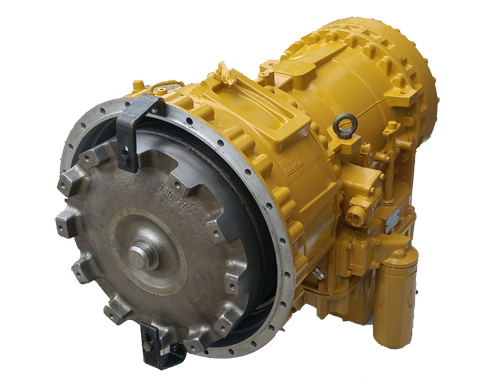
Caterpillar Transmission Troubleshooting: Why Discs Burn

Burned discs usually indicate clutch-pack slippage, rather than reveal its root cause. Low transmission oil pressure can stop a clutch pack engaging firmly, causing heat and friction that damage the discs. A Caterpillar transmission troubleshooting guide starts by tracing pressure loss and the transmission’s power flow.
It’s natural to focus on the damaged discs, especially when shifting becomes jerky or the machine loses drive. But replacing worn parts without identifying why the clutch slipped can leave the underlying problem unresolved.
This guide explains how main relief and clutch pressure readings can narrow down the cause, what fluid condition and contamination may reveal, and how each gear’s clutch pack fits into the drivetrain. You’ll get a clearer understanding of the symptoms and the transmission parts that may need attention, helping you make the next decision based on evidence rather than guesswork.
Checking main relief and clutch pressures
Pressure readings can distinguish a supply problem from a failing clutch pack. Compare readings with the specifications for the specific Caterpillar transmission.
Main relief pressure checks
Main relief pressure is the regulated pressure available to the transmission’s hydraulic system. A technician measures it at the specified test point and under the required operating conditions, then compares the result with the model’s service specifications. Low pressure can cause clutch slippage, jerky shifts, overheating, premature wear or transmission failure. If pressure is below the acceptable range for that model, shut the machine down safely instead of continuing to operate it.
Clutch pressure checks
Clutch pressure checks measure the hydraulic pressure reaching an individual clutch pack during engagement. Compare readings across gears and directions: a low reading isolated to one clutch circuit points to a local control valve issue, leakage or restriction, while low readings across circuits suggest a broader supply problem. Each gear and direction has its own clutch pack in a CAT powershift transmission. A slipping pack can overheat and burn its friction discs; replacing the discs without finding the pressure fault risks repeat damage.
Repair and replacement costs in Australia depend on which parts have failed, damage to related components and the work required. Pressure diagnosis helps define the repair scope, but there is no single typical cost for every Caterpillar transmission.
Caterpillar machines use different transmission configurations and models, including powershift systems. The correct type depends on the machine and its transmission identification, so use the model-specific manual.
Find official Caterpillar troubleshooting information and service procedures in the Operation & Maintenance Manual and service manual matched to the machine.
Common symptoms include slipping, jerky shifts, overheating and loss of drive. Low pressure, clutch-pack wear, fluid problems or restrictions can contribute to failure.
Cat ET reads electronic diagnostic codes from compatible Caterpillar machines. Assess codes alongside pressure readings and symptoms, since a code alone does not establish why discs burned.
CAT powershift transmission oil should meet Cat TO-4. Check the Operation & Maintenance Manual for the machine’s fluid recommendations and service intervals; operating conditions affect maintenance needs.
Inspecting for leaks, restrictions, obstructions and contaminants
Leaks and blocked oil paths can disrupt transmission operation even when external damage is difficult to see. Caterpillar troubleshooting includes checking the system for leaks, restrictions, obstructions and contamination.
Leaks and flow obstructions
A leak inspection looks for escaping oil, while a flow inspection checks whether passages or components restrict its movement. Both matter: lost or restricted oil flow can disrupt transmission operation and contribute to clutch damage. Check connections, housings and visible lines for wetness, then consider internal obstructions if symptoms persist without an obvious external leak. Keep the system clean during inspection; don’t open Caterpillar transmission systems in a dirty environment.
Filters and suction screens
Inspect filters and suction screens for blockages and debris that may indicate contamination or a hardware fault. If you suspect a Caterpillar transmission hardware issue, include the suction screen in the investigation. Old filters can be cut open and examined for metal fragments or other contaminants. Debris may help identify internal wear, but interpret it alongside symptoms and other inspection findings.
Choose replacement filters according to the machine’s Operation & Maintenance Manual, and don’t pre-fill them. Clean working conditions are important: dirt introduced while opening the system can contaminate transmission components and complicate diagnosis.
During a powershift rebuild, check shafts and drums for cracks or spline wear. These inspections can reveal damage beyond the clutch pack, helping ensure a rebuild addresses related faults instead of only replacing visibly worn discs.
For safety, shut down the Caterpillar machine before inspection and follow the manual’s procedures for isolating equipment and handling stored pressure. Don’t open a pressurised transmission system; hot oil and moving components can cause injury.
CAT drivetrain power flow
A CAT powershift transmission transfers engine power through gears and clutch packs to the drivetrain. Each gear and direction uses its own clutch pack, so the selected pack determines the power path through the transmission. This layout makes the operating pattern useful for diagnosis: a fault affecting one gear or direction can point to its associated clutch circuit.
For example, if a machine drives forward but loses drive in reverse, compare the clutch pack and control path for each direction. If one gear behaves differently from the others, focus on the pack selected for that gear. These symptoms narrow the investigation, but don’t prove that a particular component has failed. Pressure readings, fluid condition and physical inspection provide further evidence.
Power flow also explains why a transmission fault can affect the whole machine. A clutch pack that doesn’t engage correctly can interrupt power transfer, cause slipping or stop the selected gear from driving the output. If several gears or both directions are affected, consider whether the problem involves a shared supply or control point instead of assuming every clutch pack has failed. Match each symptom to the affected gear and direction before deciding which components to examine.
Map the machine’s gear and direction symptoms against its transmission layout, then relate them to pressure and inspection findings. This approach helps distinguish a local clutch-pack problem from a broader transmission issue and supports a more focused repair assessment. If the findings indicate a component replacement, explore Caterpillar transmission options suited to the repair.
Storm Parts Australia: Transmission Parts
Storm Parts Australia supplies transmission parts and Caterpillar transmissions for repairs identified through pressure readings, fluid checks and component inspections. When diagnosis points to a failed clutch pack or damaged transmission components, matching parts to the machine and repair scope is a practical next step.
For repairs involving broader engine work, the range also includes engine parts and engine kits. Keep the transmission model and inspection findings together as you identify the required components. This keeps the parts decision focused on the fault found, rather than unrelated items.
For transmission parts or a Caterpillar transmission, contact Storm Parts Australia.
Turn the diagnosis into a parts decision
Use inspection findings to define the repair scope before selecting replacement components. A clear parts requirement keeps the next step focused on the machine’s needs and avoids treating every transmission fault as the same problem. Record the transmission identification and the components indicated by your assessment, so the parts discussion starts with useful details.
A Caterpillar transmission troubleshooting guide is most useful when it supports a practical decision: which parts can move the repair forward. Storm Parts Australia supplies transmission parts, engine kits and engine parts for equipment repairs. Match your request to the repair findings and relevant machine information.
Contact Storm Parts Australia about parts for your repair, and take the next step with confidence.
Frequently Asked Questions
What really causes the discs to burn?
Clutch discs burn when they slip instead of holding firmly under load. Low oil pressure can prevent full engagement, while unsuitable fluid can damage friction materials. A burnt smell or darkened oil may accompany overheating, but neither identifies the original fault on its own. A Caterpillar transmission troubleshooting guide helps trace the damage back to operating symptoms, fluid condition and clutch-pack findings.
What checks should I perform for low transmission oil pressure, overheating, or slipping?
Note whether slipping or overheating occurs in one gear, one direction or across the whole transmission. This pattern can narrow down the affected circuit or indicate a broader supply issue. Check for external oil leaks and signs of contamination, then compare main relief and clutch pressure readings with the specifications for that machine. Shut down safely if pressure is below the acceptable range for its model.
How do I check and adjust Caterpillar transmission fluid level and condition?
Check the transmission fluid level using the machine-specific procedure and appropriate operating conditions. Follow the machine’s Operation & Maintenance Manual for the correct checking procedure and recommended fluid. Inspect the oil for visible contamination or an abnormal appearance. Add only the specified fluid as directed by the manual, then recheck the level using its procedure.
What steps troubleshoot a Caterpillar transmission that will not shift, engage, or move?
Start by recording which gears and directions work, and whether the fault began suddenly or developed gradually. Check the fluid level and condition, then look for leaks or restrictions that could affect oil flow. A Caterpillar transmission troubleshooting guide can help organise these findings alongside the machine’s symptoms. Use the model-specific manual to guide further diagnosis.
How do I diagnose Caterpillar transmission fault codes using Cat ET?
Use Cat ET to read electronic diagnostic codes on compatible Caterpillar machines, then assess them alongside symptoms and pressure readings. A code alone does not establish why the discs burned.
Comments