


Non-Genuine Volvo Parts Quality: An Australian Heavy Machinery Guide (2026)

What if paying inflated dealership prices isn't the only way to protect your heavy machinery from catastrophic failure? Every earthmoving fleet manager across Australia knows the sting of OEM markups and crippling delays for replacement components. At the same time, hesitations around non-genuine Volvo parts quality are entirely justified. Nobody wants sub-standard steel or loose tolerances triggering an engine seizure on a demanding regional job site.
You don't have to choose between exorbitant price tags and operational reliability. In this guide, you'll discover how precision-engineered aftermarket components measure up against genuine OEM standards to keep your excavators, wheel loaders, and articulated haulers moving without blowing your maintenance budget. We break down the crucial metallurgy, fitment specifications, and supplier verification benchmarks you need to evaluate replacement parts with complete confidence.
Evaluating Non-Genuine Volvo Parts Quality Against OEM Standards
Understanding non-genuine Volvo parts quality starts with separating precision-engineered alternatives from cheap, uncertified copies. The heavy equipment parts market generally falls into three distinct tiers:
Genuine OEM: Packaged in branded boxes with guaranteed factory specifications, but carrying substantial dealership markups.
Tier-One Aftermarket: Manufactured to match genuine metallurgical tolerances, utilising ductile iron castings, induction-hardened wear surfaces, and ISO-certified machining.
Uncertified Counterfeits: Low-grade castings that lack proper heat treatment, resulting in rapid distortion under heavy loads.
In high-stress machinery like articulated dump trucks, sub-standard drivelines or suspension parts fail rapidly under punishing haul cycles. Premium aftermarket components deliver the exact tensile strength needed to withstand severe oscillation and torque! For an in-depth look at how heavy-duty diesel drivetrains are engineered to withstand demanding torque loads, read more.
Critical Engineering Tolerances and Metallurgy in Heavy Excavators
Excavators operating across remote Australian sites face relentless dust and blistering heat. These brutal conditions quickly expose sub-par metallurgy. Precision dynamic balancing in replacement crankshafts and camshafts is non-negotiable; even microscopic imbalances will destroy main bearing shells in short order.
Hydraulic pump rotating groups require micro-inch surface finishes on valve plates and cylinder barrels to prevent internal oil bypass and pressure drop. Cylinder liners demand centrifugal casting with high-nickel alloy content. This metallurgy resists thermal cavitation when cooling systems work overtime in outback ambient temperatures. Sourcing verified aftermarket components guarantees your heavy iron maintains peak hydraulic pressure and engine compression all shift long!
Assessing Heavy Component Reliability: From Engine Kits to Undercarriage
A machine is only as dependable as its core rotating assemblies. Premium rebuild kits feature forged piston crowns with reinforced combustion bowls and plasma-moly coated compression rings that prevent micro-welding inside cross-hatched wet liners. When rebuilding a D12 or D13 engine, sourcing proven heavy machinery engine kits guarantees uniform thermal expansion across every cylinder bank. Downstream drivetrain components demand equal scrutiny. Planetary final drives and main hydraulic pumps require deep carburised case hardening to prevent tooth spalling under continuous 350-bar working pressures.
Balancing Critical Powertrain Assemblies Against General Machine Wear Parts
Savvy fleet managers use a practical component risk framework to manage maintenance budgets effectively:
High-Risk Powertrain Assemblies: Water pumps, oil lube pumps, and internal engine hardware require certified flow capacities and zero-tolerance machining to prevent catastrophic heat seizure in 45°C ambient conditions.
Medium-Risk Undercarriage & Structural Items: Track chains, sprockets, and bottom rollers undergo abrasive wear where non-genuine alternatives offer outstanding service life at substantial cost savings.
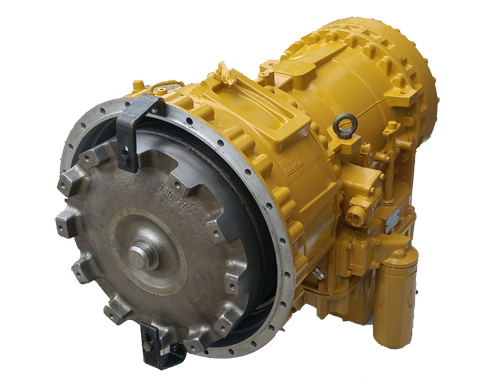
In driveline repairs, precision-matched Volvo transmission parts deliver the correct friction plate coefficients for smooth, shudder-free shifts under full haul cycles. Assessing non-genuine Volvo parts quality by component stress levels lets you keep maintenance expenditure down while keeping your iron productive. When you need dependable advice on wear components versus major powertrain replacements, connect with the specialist team at Storm Parts Australia!
Practical Sourcing Framework for Australian Earthmoving Equipment Fleets
Protecting your fleet requires a disciplined procurement process. When evaluating non-genuine Volvo parts quality, relying on anonymous online platforms or unverified overseas brokers introduces unacceptable operational risk. Before committing to major rebuild hardware, vet your parts partner using this four-step checklist:
Serial-Matched Verification: Does the supplier match every part against your specific chassis and engine arrangement numbers before processing the order?
Local Warehouse Stock: Are items held in Australian facilities for prompt dispatch, avoiding international shipping bottlenecks?
Documented Warranty Backing: Does the supplier provide straightforward, locally enforceable warranty coverage?
Component Traceability: Can they verify manufacturing origin and quality inspection standards for critical assemblies?
For a detailed breakdown of distribution channels, read our full guide to sourcing volvo construction equipment parts across Australia.
Partnering with Independent Regional Specialists in Queensland
Local industry knowledge makes all the difference when plant availability is on the line. Based in Toowoomba, our technical team understands the harsh reality of regional civil earthmoving and resource sector projects. Seasoned parts interpreters review every order against OEM factory catalogues. This hands-on verification eliminates expensive freight mispicks and gets your machinery back to work fast!
Balancing non-genuine Volvo parts quality with genuine cost control is simple when you partner with true product specialists. Get in touch with our friendly Toowoomba team today for expert guidance and rapid parts support tailored to your fleet!
Maximise Fleet Uptime with Precision Replacement Parts
Keeping heavy equipment running across Australia doesn't mean paying dealership premiums on every major rebuild. When you understand metallurgy, casting standards, and component risk profiles, evaluating non-genuine Volvo parts quality becomes straightforward and practical. Selecting certified aftermarket components protects your bottom line while keeping critical machinery working at full capacity.
Backed by decades of combined technical expertise matching exact serial numbers for excavators, dump trucks, and loaders, our team takes the guesswork out of plant maintenance. Our extensive Queensland warehouse carries ready-to-dispatch engine kits, hydraulic pumps, and undercarriage components to minimise costly project downtime. Speak with our Toowoomba parts specialists to source reliable genuine and non-genuine Volvo components today!
Frequently Asked Questions
Do non-genuine Volvo parts compromise factory machinery warranty or service life?
Fitting non-genuine parts doesn't compromise service life when components are sourced from reputable manufacturers adhering to ISO standards. While manufacturer warranties on brand-new machinery may restrict repairs to OEM items, post-warranty earthmoving machinery runs reliably on quality aftermarket alternatives. Premium non-genuine parts deliver identical wear intervals without putting your fleet's daily productivity at risk.
How do precision aftermarket engine rebuild kits compare to genuine Volvo kits?
Precision aftermarket engine rebuild kits match genuine Volvo kits by utilising equivalent metallurgy and identical dimensional machining. Premium kits include matched alloy pistons, ductile rings, hardened pins, and centrifugally cast liners designed for original compression ratios. Verifying non-genuine Volvo parts quality through independent specialists ensures you receive identical thermal resilience and combustion performance for your rebuild.
What quality checks should plant mechanics perform before fitting aftermarket components?
Plant mechanics should measure critical dimensions with calibrated micrometers against factory manual tolerances before installation. Always inspect mating surfaces for micro-finish consistency, confirm oil passage alignment, check thread pitches, and examine seal seats. Verifying non-genuine Volvo parts quality on the workshop bench confirms proper running clearances, preventing premature bearing failure or oil pressure loss on startup.
Can non-genuine Volvo water pumps and cooling parts handle Australian heat?
Yes, tier-one aftermarket water pumps easily manage harsh Australian heat when built to certified volumetric flow rates. High-grade replacements feature heavy-duty ceramic mechanical seals, precision-cast impellers, and heat-treated internal bearings that resist cavitation during 45°C summer shifts. Choosing properly rated cooling components prevents thermal derating and keeps your excavator or loader running cool under heavy loads.
Comments