


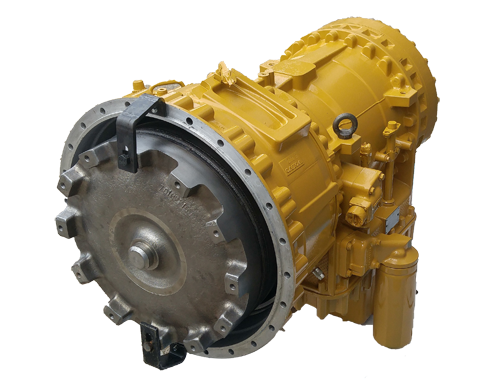
The Ultimate Checklist for Dump Truck Transmission Parts: Spotting Wear Before Failure

Updated: Jul 10
You’re deep into a shift in regional Queensland when that subtle, rhythmic shudder in your gear changes suddenly turns into a violent jolt. It’s the dreaded sound of unplanned downtime and a repair bill that could easily spiral into the tens of thousands. We know that for Australian operators, keeping your rig moving isn't just about maintenance; it's about protecting your bottom line in a demanding industry. You shouldn't have to wait for a total breakdown to realise your dump truck transmission parts are reaching their limit.
We understand how frustrating it is to deal with long lead times for Volvo or CAT components while your machine sits idle on-site. That’s why we’ve developed this comprehensive diagnostic checklist to help you catch wear before it leads to catastrophic failure. In this guide, we’ll walk you through the critical warning signs to look for, from fluid discolouration to heat-damaged seals. You will learn how to identify specific failing components and where to source reliable, local stock right here in Australia to get your productivity back on track fast!
The Pre-Start Inspection: Visual Checklist for Dump Truck Transmission Parts
Before you climb into the cab, a five-minute walk-around can save you five days of downtime. Start by examining the external casing for hairline cracks. On busy Australian sites, flying debris can easily strike the housing, leading to structural weaknesses that worsen under heavy loads. Next, look closely at your seals and gaskets. A bit of 'weeping' around the output shaft might seem minor, but it's often the first sign that your dump truck transmission parts are under excessive pressure. If you see an active drip, stop immediately; that’s a failure waiting to happen.
The harsh Australian sun is notorious for perishing rubber. Check your hoses for 'sweating' or cracks that indicate the material is failing. While you're under there, give the mounting bolts a once-over. Vibration is a constant in earthmoving. Loose bolts mean the transmission isn't securely mated to the engine block, which causes premature wear on the input shaft and can lead to expensive misalignments.
Fluid Analysis: The Colour and Smell Test
Pull the dipstick and give it a sniff. If you detect a 'burnt toast' odour, your internal clutch packs are likely slipping and generating extreme heat. Healthy fluid should be a bright red or amber colour. If it looks like dark, murky coffee, it’s contaminated and needs changing immediately. Don't forget to check the magnetic drain plug during your next service. Finding fine metal 'fuzz' is normal, but actual flakes indicate a gear or bearing is disintegrating from the inside out.
Breather and Cooling Line Inspection
In regional QLD, bulldust is your transmission's worst enemy. If the breathers get clogged, internal pressure builds up and blows out your seals. Ensure these are clear and check the cooling lines for any kinks or corrosion. Restricted flow means higher operating temperatures. That is the fastest way to cook your dump truck transmission parts and end up with a massive repair bill. Keep these lines clean to ensure your cooling system can do its job in the heat.
Operational Checklist: Monitoring Transmission Behaviour on the Haul Road
Once you’re in the driver’s seat, the transmission starts telling its story. Listen for any unusual noises that deviate from the standard hum of the engine. A high-pitched whine often points to planetary gear wear, while a low-frequency growl usually signals a failing bearing. Pay close attention to shift quality as you move through the gears. If the truck begins "hunting" for the right gear or engages with a violent jolt, your internal dump truck transmission parts are likely struggling to maintain hydraulic pressure.
Maintaining proper hydraulic pressure is a cornerstone of heavy-duty truck performance. For operators looking for world-class standards in this field, Tim Halpin Equipment Corp provides specialised hydraulic repair and commercial upfitting services that exemplify the quality needed for demanding environments.
Torque converter performance is just as critical, especially when tackling steep inclines. If you notice a significant lack of power or "stall" symptoms while climbing, it’s time to investigate. Establishing a temperature baseline is vital for operators in the blistering Queensland heat. Knowing what’s "normal" for your rig on a 40-degree day helps you spot spikes before they lead to a total meltdown. If you need to replace worn components quickly, you can source high-quality transmission spares from a local expert who understands Australian conditions.
The 5-Step Shift Test for Articulated Dump Trucks
Warm-up procedure: Always test at operating temperature. Cold oil is thicker and can mask internal leaks or pressure issues.
Engagement check: Cycle through forward and reverse from a neutral position. Any delay longer than two seconds suggests a solenoid or pump problem.
Load-bearing shift test: Monitor transitions under full payload on a 10% grade. This is where weak clutch packs finally show their true colours!
Electronic Control Unit (ECU) and Sensor Alerts
Modern Volvo and Caterpillar machines are brilliant at self-diagnosing, but you have to pay attention to the codes. Don't ignore "Check Transmission" lights or recurring fault codes related to pressure sensors. Often, the issue isn't the dump truck transmission parts themselves but the wiring harnesses. Check for physical damage, frayed insulation, or loose pins caused by the constant vibration of heavy-duty hauling. A simple harness fix is much cheaper than a full transmission rebuild!
Sourcing Strategy: Choosing the Right Dump Truck Transmission Parts in Australia
Identifying a fault is only half the battle; finding the right replacement is where the real work begins. Deciding between genuine and non-genuine components shouldn't be a guessing game. For newer machines still under manufacturer agreements, genuine parts are often the standard choice. However, for older fleets, high-quality aftermarket dump truck transmission parts provide a brilliant way to keep costs down while maintaining high performance. Accuracy is everything. Always double-check your serial numbers and arrangement numbers to ensure a perfect fit on the first go. This avoids the frustration of a machine sitting idle while you wait for a return shipment.
Sourcing from a specialist beats a generic "add to cart" approach every time. Complex transmission systems require professional advice to ensure every seal, bearing, and gear is compatible with your specific model. When you work with a partner who understands the local industry, you gain more than just a component; you gain the peace of mind that comes with expert support and reliable warranties.
Specialist Sourcing for Volvo and Caterpillar
Finding specific Volvo transmission parts for A35 and A40 haulers requires technical insight into how these machines handle heavy Australian soil. It’s about more than just a part number; it’s about drivetrain integrity. Similarly, sourcing Caterpillar engine parts Australia ensures your power plant integrates seamlessly with your transmission. Getting this combination right is essential for maintaining torque and fuel efficiency on the haul road.
The Storm Parts Advantage in Toowoomba
Leveraging local expertise makes a massive difference for regional QLD operators. Based in Toowoomba, we specialise in finding exactly what you need, whether it’s used Volvo parts or new Komatsu industrial engine parts. Our "can-do" attitude means we don't just ship boxes; we help you solve operational headaches. We understand that every hour your truck is down is an hour of lost revenue. We’re your reliable neighbour with the deep specialised knowledge to get your gear back in action fast!
This commitment to local service is a hallmark of many Queensland businesses. For example, if you need high-performance technology for your home or office, you can discover Ed's PCs Toombul for expert custom-built PC solutions.
Keep Your Fleet Moving with Proactive Maintenance
Catching early warning signs through daily visual checks and monitoring gear behaviour on the haul road is your best defence against a massive repair bill. By staying alert to leaks, unusual noises, and temperature spikes, you protect both your rig and your schedule. Maintaining high-quality dump truck transmission parts is a continuous commitment, but it’s one that pays off in reduced downtime and improved site safety.
As a Toowoomba-based specialist with deep Volvo and CAT expertise, we’re proud to support Queensland and national operators with reliable solutions. We carry an extensive range of both genuine and high-quality non-genuine components to suit your specific fleet requirements. Don't let a failing part stall your progress! Get your dump truck back on the road—contact Storm Parts Australia today! We’re ready to help you get back to work with the right parts and the right advice. Let's get your gear moving again!
Frequently Asked Questions
How often should I change the fluid in my dump truck transmission in Australia?
You should aim to change your transmission fluid every 1,000 hours of operation, although this interval often needs to be shortened in harsh Australian environments. If you’re working in extreme dust or high-heat regional areas, checking the fluid every 500 hours is a smarter move. Proactive changes prevent the build-up of contaminants that can prematurely wear down your dump truck transmission parts.
Can I use non-genuine parts in my Volvo dump truck transmission?
Yes, high-quality non-genuine parts are a brilliant and cost-effective option for Volvo dump trucks, especially for older models. It’s essential to source these from a specialised supplier who understands the specific tolerances required for heavy machinery. We stock both genuine and non-genuine options to give you the flexibility to manage your maintenance budget without sacrificing reliability or site safety.
What are the first signs of a failing torque converter?
The most common signs of a failing torque converter include noticeable power loss during climbs and a "shuddering" sensation during gear transitions. You might also notice the transmission oil temperature spiking rapidly even under normal loads. If the truck feels sluggish to respond when you hit the accelerator, it’s likely that the internal stator or turbine is starting to fail.
Is it better to repair or replace a heavy machinery transmission?
Deciding whether to repair or replace depends on the extent of internal damage and the age of your machine. If only specific dump truck transmission parts like solenoids or seals have failed, a targeted repair is much more economical. If the housing is cracked or multiple planetary gears are shredded, a full replacement or a reconditioned unit might be the faster way to restore productivity.
Why is my dump truck transmission overheating in the Queensland summer?
Your transmission is likely overheating due to a combination of extreme ambient temperatures and restricted airflow through the oil cooler. In Queensland, bulldust often clogs the cooling fins, which prevents heat from escaping the system. Make sure your cooling lines aren't kinked and that you’re using the correct oil viscosity rated for high-heat environments to ensure maximum protection.
How do I find the correct part number for my Caterpillar transmission?
To find the correct part number for your Caterpillar transmission, you’ll need the machine's Serial Number Prefix and the specific Arrangement Number found on the data plate. These numbers allow us to look up the exact build of your drivetrain in the CAT Service Information System (SIS). Having this info ready when you call a specialist ensures you get the right fit the first time!
Comments